Ceremonial Cacao FAQ
Frequently Asked Questions About Ceremonial Cacao
1. What exactly is ceremonial cacao?
It is a pure cacao, often from native varieties, used in its least processed form and for intentional, meditative, or healing purposes, honoring its origins in the ancestral cultures of Mesoamerica.
2. What is the difference between it and normal cacao or chocolate?
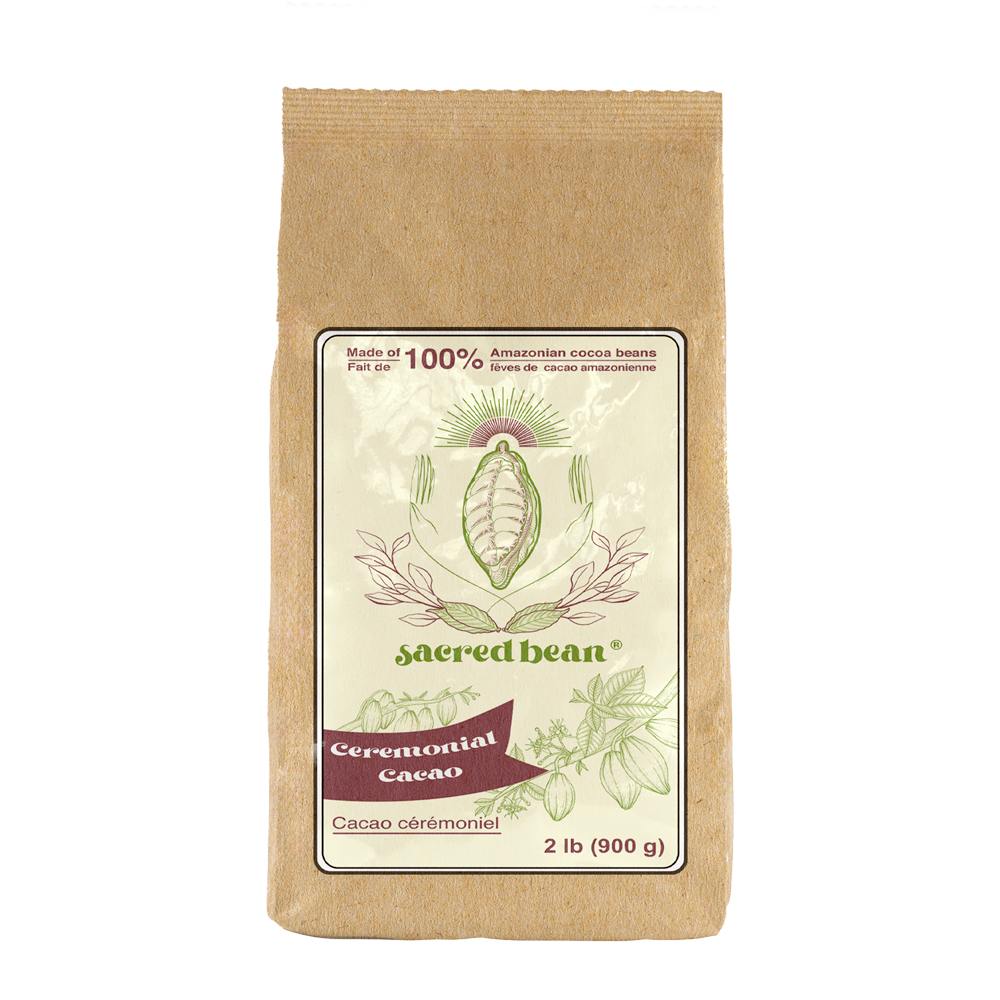
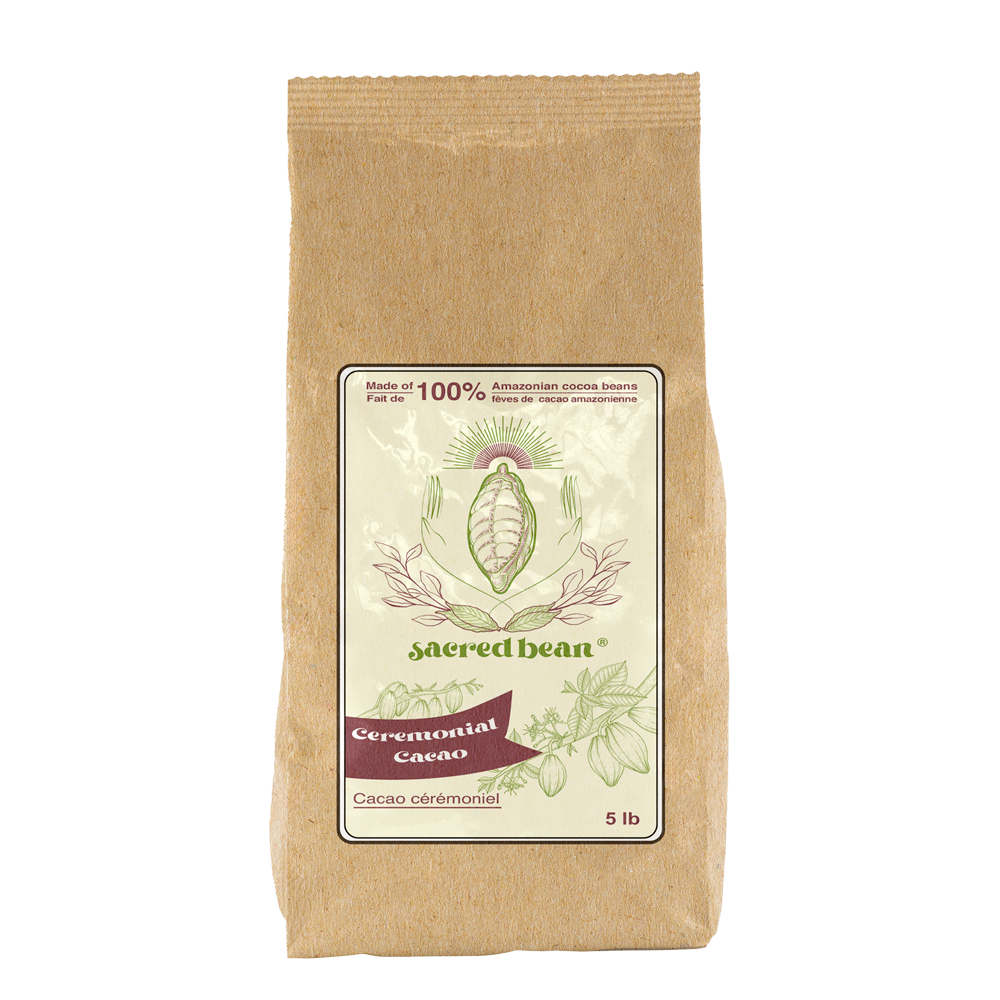
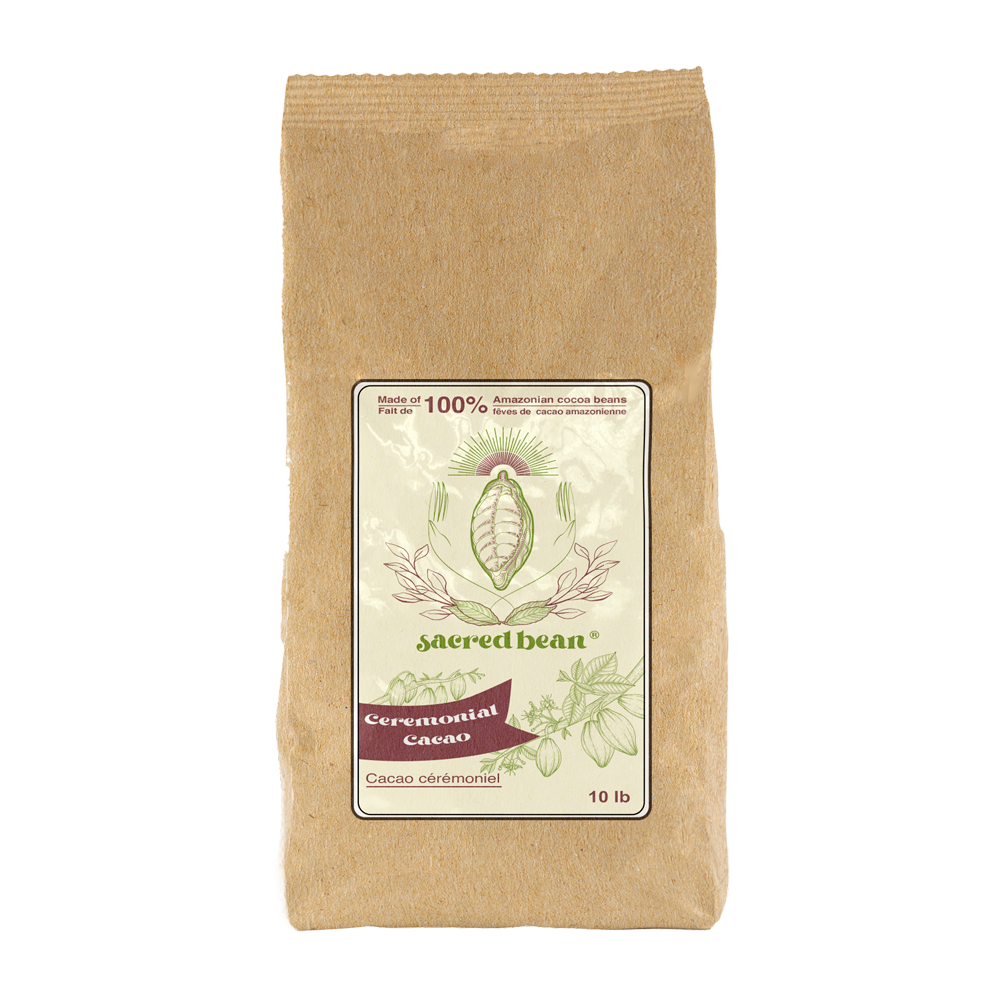
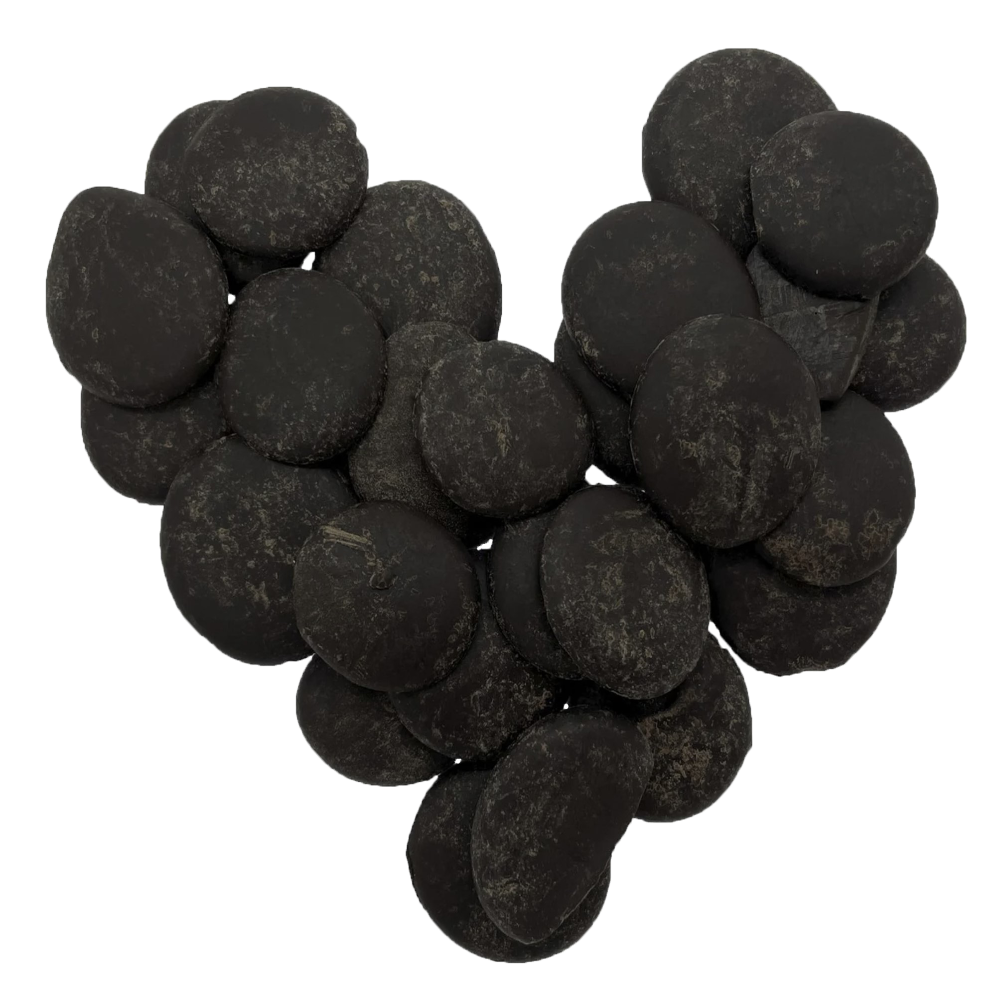
Ceremonial cacao is pure ground cacao bean (cacao paste or liquor), retaining its natural fat and all its compounds. Chocolate has sugar, dairy, and other additives, and cocoa powder has been defatted.
3. Does it contain caffeine?
It does not contain caffeine, but it does contain theobromine, a gentle stimulant that acts on the cardiovascular system and produces a smoother, longer-lasting energy sensation without the jitters, unlike caffeine.
4. How is it prepared for a ceremony?
Typically, the cacao paste is mixed with hot water (never boiling), a pinch of spices (like chili or cinnamon), and optionally, a natural sweetener (like honey or date). It is drunk in a small cup.
5. What is the standard ceremonial dose?
The dose varies, but generally ranges between 30 and 42 grams (approximately 1 to 1.5 ounces) of pure cacao paste, dissolved in 150-250 ml of liquid.
6. What are its effects on an emotional level?
It is often described as a "heart opener." Its effects can include feelings of love, gratitude, greater clarity, relaxation, connection, and facilitation of meditation or introspection.
7. Does it have any health benefits?
Yes. It is rich in antioxidants, magnesium, iron, and other minerals. Theobromine helps dilate blood vessels, improving blood flow and mood.
8. Is it safe for everyone to consume?
Generally yes, but caution or very small doses are recommended for people with severe heart conditions (due to theobromine) or those taking SSRI antidepressants (it may interact with the MAOI contained in cacao).
9. Do I need a guide or shaman to drink it?
It is not strictly necessary. Although the guided experience can be very powerful, many people consume it intentionally at home, alone or with friends, as part of their daily or meditative practice.
10. Where does the best ceremonial cacao come from?
Traditionally, one looks for criollo or native varieties from countries like Guatemala, Mexico, Peru, or Ecuador, cultivated sustainably and ethically (ideally with fair trade).